1. Ngori
It was used by male teenagers during happy moments. For example, while dancing celebration songs.
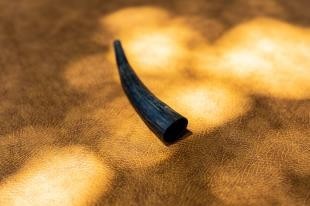
2. Thiaka
This was used to store arrows mainly during battles. Only men used it.
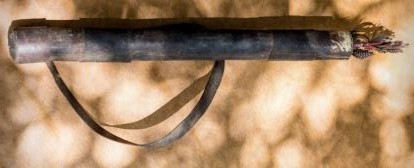
3. Mugwi/Arrows
It was used for security purposes.

4. Mbawa/Harvesting Bag
It was mainly used by women for harvesting grains such as maize, legumes and cowpeas. (the bag carrying the artefacts)

5. Nyungu/Pot
It was a tool used by women for cooking a variety of foods such as succotash and many others.

6. Kithembe
It was used for honey harvesting and storage. Men only used it to ensure the safety of the honey. The kithembe was easily portable, not easily breakable and highly recommended because it preserved the honey for a long period.

7. Kitumwo/spear
Men used it mainly for security purposes. It was also used to protect their animals from being killed.

8. Ngo/Shield
After circumcision, the men were entrusted to ensure maximum security and the shield’s purpose was to defend themselves. It was also used while dancing traditional songs as a display of their culture.
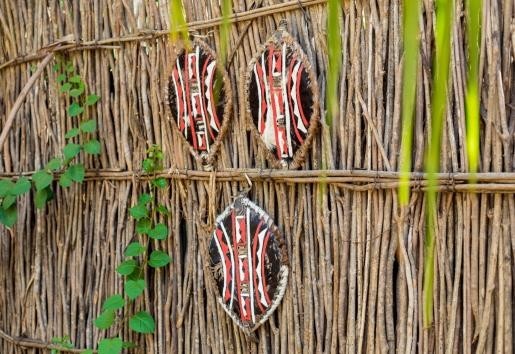
9. Ithoko/Leg Bell
It is a musical instrument, worn on the leg only by the men in the Mbeere community. It was worn mainly during traditional dances
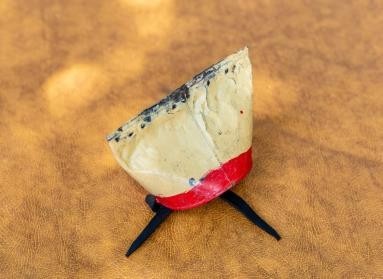
10. Ruviu/sword-Njura/sheath
It was used for slaughtering animals such as gazelles and cows. It was also used for chopping bows. Only men in the Mbeere community carried out these activities.

11. Kiginga
Because the elders used it to bless the children and grandchildren, it was a sign of peace and honor within the community and therefore drove out curses. It was also used by soloists in traditional songs, who were men.
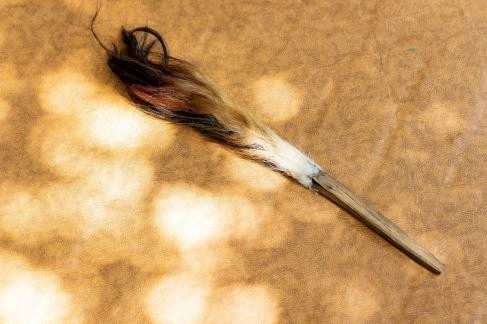
12. Mutaguo
It was a musical instrument that was worn on the head by men while dancing traditional songs.
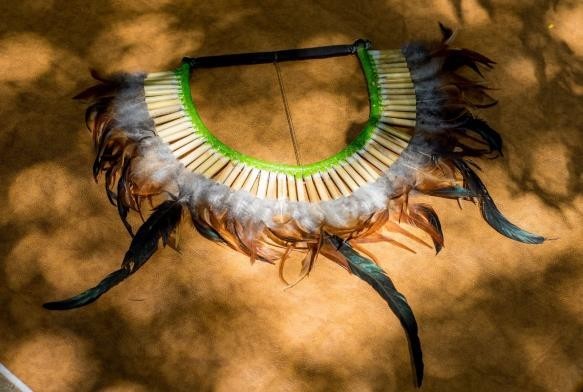
13. Thumbi
This is a music artefact, worn on the head, made from animal skin and feathers from hens.
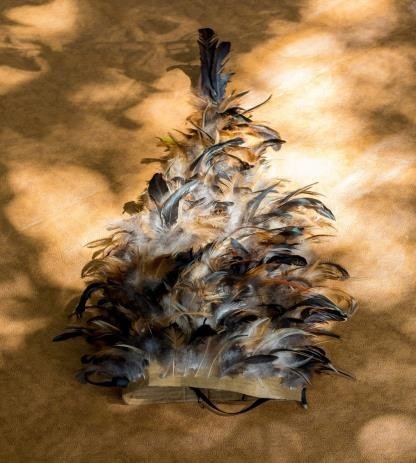
14.Rwambo
It was a type of spear that was used as a trap for animals, such as gazelles, that invaded the farms. The spear had strings of hair or grass that would confuse the animals making it easier to kill them. In doing so, it added to enhancing security.

15.Rufia
This was a special type of glass used for drinking alcohol and wine, which was only used by the men.

16.Coro/Horn
The Coro was a tool used for communication purposes to alert people about danger issues such as invasions. It was also used as a musical instrument which was blown by men during traditional dances.

17.Ndarama/Drum
This is a musical instrument that was played by both the men and women while dancing to traditional songs.
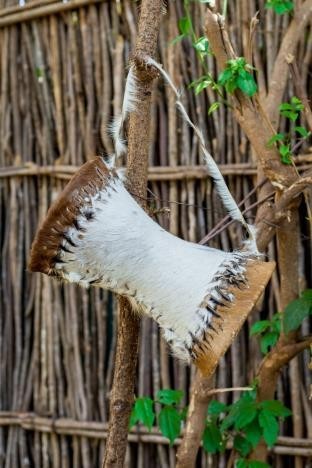
18. Gitumbi/Kitchen stool
This was a kitchen stool that was used mostly by women when cooking.
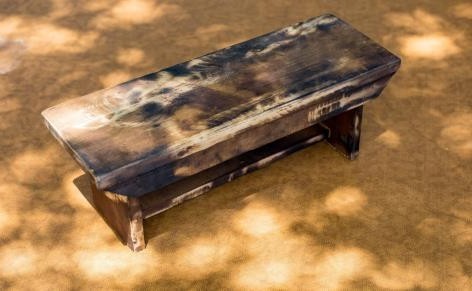
19. Njungwa/Elders Seat
This was a special seat used by the community elders at ceremonies such as wedding negotiations, judicial meetings, family meetings etc. Only men used it.
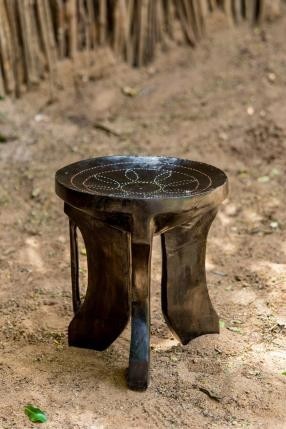
20. Ngo/Wrist Shield
This was a special seat used by the community elders at ceremonies such as wedding negotiations, judicial meetings, family meetings etc. Only men used it.

21. Kigamba/Shaker
It is a musical instrument used when dancing traditional songs and was shaken using the hands. It was used by both men and women.

22. Kauga/Calabash
Meals were served and eaten in calabashes after they were cooked. An example of such a meal was Ngoja mato.
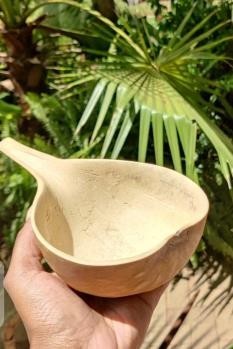
23. Kinya/Gourd
The gourd was used when taking drinks such as porridge, milk, water and even wine.
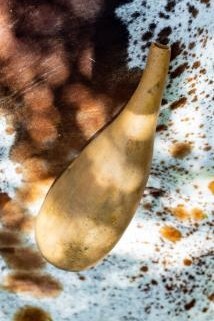
24. Mururu/Granary
The granary was used for food storage. The types of foods that were stored included grains, cereals and legumes such as maize and millet. The granary would be sealed by cow dung which would completely keep insects from going into the granary and destroying the stored food. Each granary was safeguarded by the man of the home to ensure there was surplus food in store thus guaranteeing food security within the community. This method of food security enabled the community to survive periods of poor harvest caused either by failed crops or by natural calamities such as
